
Page Performance & SEO: A Full Guide for Today’s Websites
Page Performance & SEO: A Full Guide for Today's Websites
When considering your site's design and building specifications around page performance, it is not just about optimizing user experience for a good outcome; it is a ranking factor which can impact your SEO success. With Google's Core Web Vitals, it is clear that if a website is considered slow, the user experience will not only be bad for visitors, you will also lose rank in search visibility.
Why Performance is Important to SEO
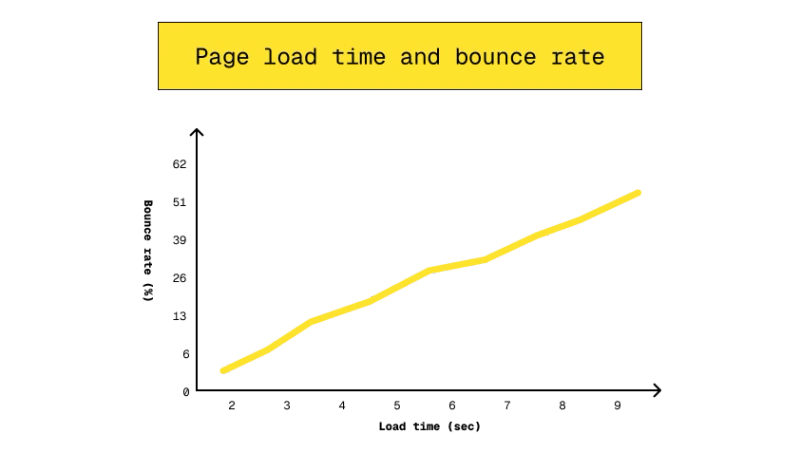
Search engines deliver websites that provide good user experiences. Once a website loads slowly, it causes visitors to bounce quickly, which signals to the search algorithm that the site provides a poor experience. Studies have shown that a one second page load delay decreases conversions by 7%, and affects search rankings.
A direct connection exists between performance and SEO results. Faster loading pages have longer dwell time, lower bounce rates, and higher user engagement; all of which search engines use to gauge your website's quality and relevance.
What Are Core Web Vitals
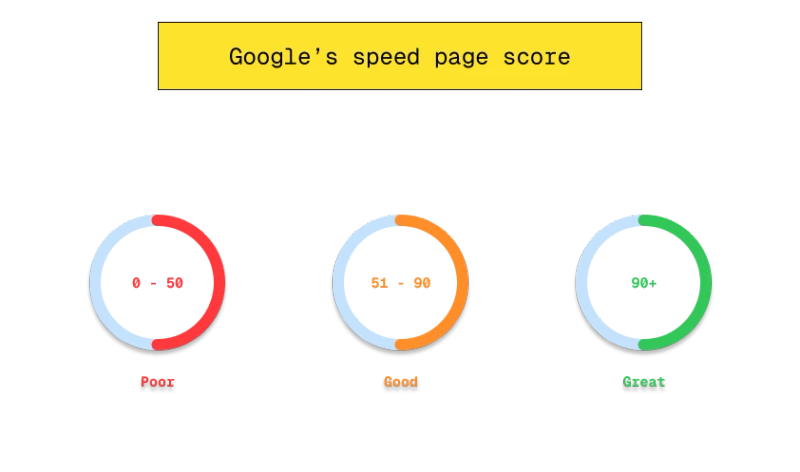
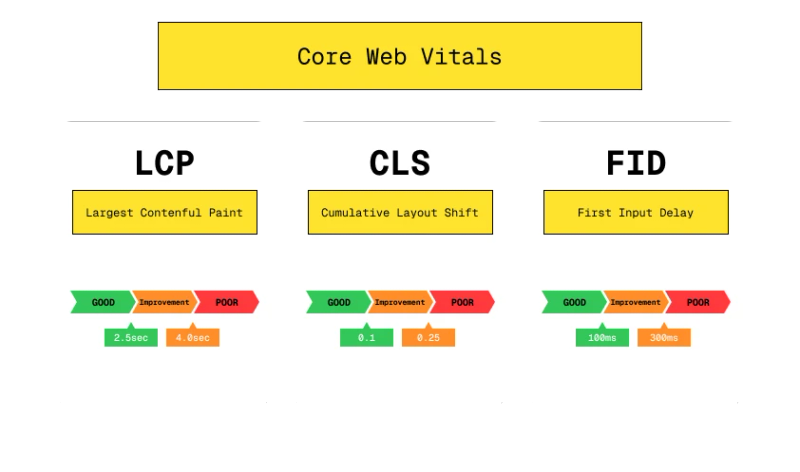
The Core Web Vitals from Google are three metrics that measure user experience:
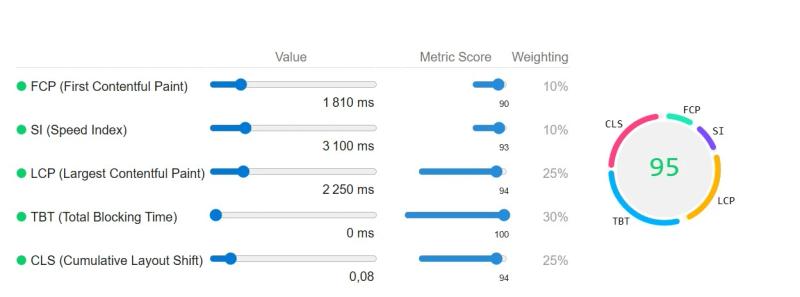
Largest Contentful Paint (LCP) measures loading performance. Your LCP should happen in 2.5 seconds or less after the page starts to load. This metric measures the largest visible element that is above the fold, which is typically a hero image or heading block.
First Input Delay (FID) measures interactivity. The ideal FID for pages is less than 100 milliseconds. This measures the time from when users first interact with your page to when the browser is able to respond to that first interaction.
Cumulative Layout Shift (CLS) measures visual stability. Your page should ideally have a CLS of less than 0.1. There are few things that are more frustrating for users than clicking a button and the content moves just enough for them to click something else entirely.
Key Performance Optimization Strategies
Image Optimization
Generally, images are the largest contributor to page weight. Converting your images to a modern format such as WebP or AVIF can save anywhere from 30-50% of file size without losing visible quality. Use lazy loading for the images below-the-fold and only load visible content at first.
Always specify image dimensions in your HTML to prevent layout shifts. You may also want to use responsive images with the srcset attribute to ensure you're serving appropriately sized images relevant to the user's device capabilities and screen size.

JavaScript Optimization
JavaScript should be deferred unless it's critical to the initial load. The user should render visible content first and any analytic, chat widget, or other non-essential scripts should be deferred in the initial load context.
Consider code splitting your JavaScript into chunks, so the user only downloads the code required for the current page, rather than the full application bundle. Dramatically reduce third-party scripts. Every external script adds an additional DNS lookup, connection, and processing time.
CSS Optimization
Put critical CSS inline directly in your HTML's head element so that above-the-fold content renders as soon as possible. This will eliminate render-blocking requests for the most critical styles.
Purge unused CSS indiscriminately. A tool like PurgeCSS can help you identify and remove styles that are not actually being utilized on your pages, usually reducing file size by 80% or more.
Server-Side Optimization
Use proper caching strategies with correct cache headers. Static assets should be set to cache for weeks, and dynamic content will require a more nuanced approach.
Turn on compression (Gzip or Brotli) for all text-based resources. Compression can typically reduce transfer sizes by about 70-80% for HTML, CSS, and JavaScript files.
Take advantage of a Content Delivery Network (CDN) to serve assets from servers closer to users, which can greatly reduce latency, particularly for audiences spread across the globe.
SEO Best Practices that Help Performance
Structured Data
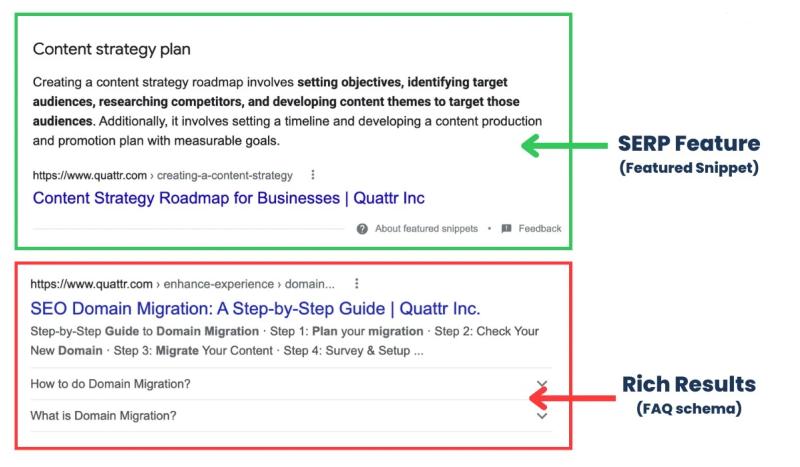
Implement JSON-LD structured data so search engines understand what your content is about. This will also help to create rich snippets in search results without adding actual visible page bloat. Structured data for articles, products, reviews, and FAQs can increase click-through rates by a significant amount.
Mobile Optimization
With mobile-first indexing, Google mainly refers to the mobile version of your site when ranking websites. Ensure that your mobile experience includes touch-friendly interactions, readable text without zooming, and load time should be fast (especially with a slow connection).
Always test your site on real mobile devices and with different connection speeds.
URL Structure and Crawlability
Always try to use clean and descriptive URLs that are user-friendly and search engine friendly. Having too many parameters can confuse search engine spiders. URL structures should also stay relatively shallow - your important pages should be less than three clicks deep from the homepage.
Make sure to include XML sitemaps in your website and keep them updated. Consider using robots.txt files to keep search engine spiders from crawling parts of your site you do not want crawled. This lets spiders focus on other resources like your high-value content.
Content Optimization
Content is still king, but how it's displayed is important too. To help your readers, break up long blocks of text in smaller scannable sections with descriptive headings. Also, update the content with semantic HTML5 tags like article, section and aside to give meaning to search engine bots.
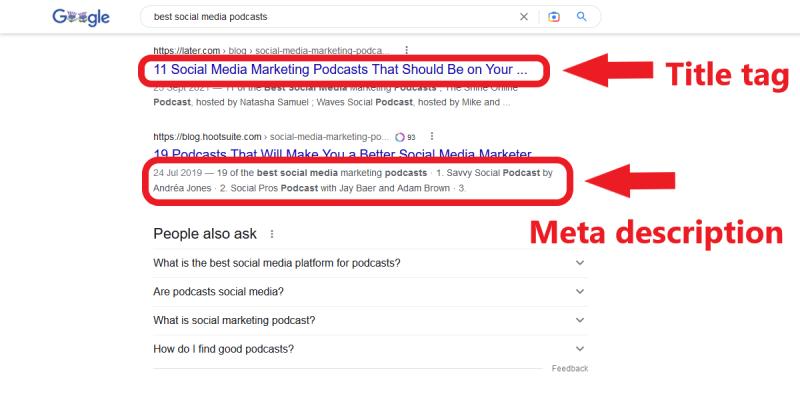
Meta title and meta description optimization is important for the click through rate (CTR) and keyword inclusion. It is important to have an optimized title and description so that your potential customers will click on your link instead of one from a competitor.
Monitoring and Continuous Improvement
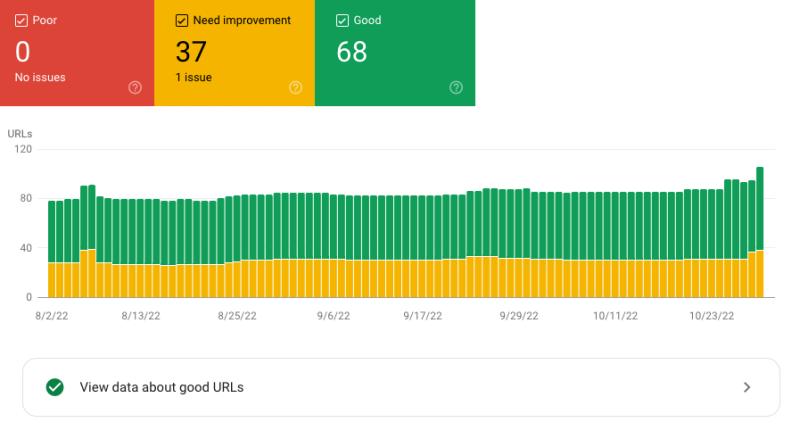
Monitor your Core Web Vitals with Google Search Console. The data it provides is in "field data" from real users, which gives insight into real performance out in the wild versus synthetic performance metrics.
Use real user monitoring (RUM) tools to track performance metrics from actual visitors to your web page. Google Analytics 4, Lighthouse, and a variety of other third-party tools can help with that.
Establish performance budgets to curb regressions. Determine maximum acceptable sizes for pages, images, and scripts. Include your budget decisions in your development process so that developers can amend any performance issues before releasing code into production.
Ongoing audits of your site with Lighthouse, WebPageTest and GTmetrix are a good way to ensure adherence to your priorities and identify change opportunities over time.
The Business Impact
Investing to improve performance and SEO pays dividends. Faster sites have reported higher conversion rates, lower bounce rates, and better user satisfaction. If your SEO improves, it could mean more users from organic traffic, and all of the associated cost savings from paid advertising.
Keep in mind, that even slight improvements will continue to compound over time. That 0.5-second improvement in load time may seem negligible, but with thousands of visitors, it could all accumulate to hundreds of hours saved time, and hundreds of thousands of dollars of generated additional revenue.
Starting Today
Tackle easy optimizations first: optimize images, enable compression, and set up basic caching. These changes involve limited effort but produce significant positive effects right away, resulting in a better experience for users and faster load times.
Prioritize remedies based on impact and effort. Fix critical issues first, then work through improvements in the order of significance. Remember, performance optimization will be a longer journey and not a sprint – at the end of the day, performance is all about making consistent incremental changes, rather than doing everything at once.
Ongoing performance and SEO optimization should be a part of your regular processes rather than a project with a start and end date. There will always be new standards and new methods, and since your site will change a lot, constant monitoring and optimizing performance will always be needed to maintain a competitive edge in search results and usability of the site for users.